 how-to
Hiring an Attorney for Business Dispute Mediation
Table of Contents
- Why You Need an Attorney for Business Dispute Mediation
- The Benefits of Legal Representation in Mediation
- Business Mediation vs Litigation: Which Path Fits Your Dispute?
- Preparing for Business Mediation: A Step-by-Step Checklist
- How to Choose the Right Attorney for Your Business Dispute
- Virtual vs In-Person Mediation: What to Expect
- Conclusion: Making the Decision That Protects Your Business
- Frequently Asked Questions
Last Updated: September 29, 2026
Why You Need an Attorney for Business Dispute Mediation
Hiring an attorney for business dispute mediation gives you a trained advocate who protects your legal rights while you work toward settlement. The mediator stays neutral. Your lawyer is on your side.
How Legal Counsel Protects Your Interests at the Table
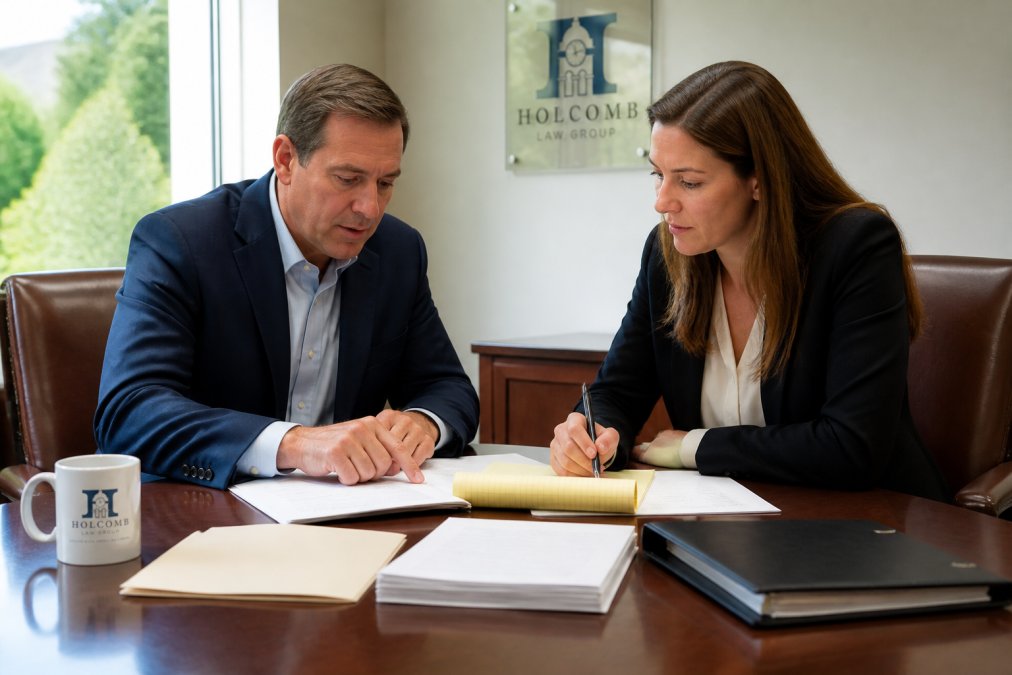
An attorney does three jobs in mediation. First, they assess your position before talks begin. Second, they handle the back-and-forth so you can stay calm and think clearly. Third, they review every word of the settlement agreement before you sign.
The Benefits of Legal Representation in Mediation
The benefits of legal representation in mediation come down to use and preparation. A party with counsel negotiates from a documented position. A party without it negotiates from memory.
- Document review. Contracts, emails, invoices, and demand letters get organized before the session.
- Realistic valuation. You learn what a court would likely award, which sets your settlement range.
- Emotional distance. Your lawyer handles the hard conversations so talks stay professional.
- Enforceable drafting. The settlement agreement gets checked for gaps before signing.
What an Attorney Handles Before, During, and After Mediation
Before the session, your lawyer builds the case file and drafts an opening statement. During mediation, they caucus with you privately between joint sessions. Afterward, they review the settlement agreement, flag unclear terms, and confirm it matches what you agreed to verbally.
Business Mediation vs Litigation: Which Path Fits Your Dispute?
Business mediation vs litigation is a question of control, cost, and time. Mediation keeps the decision in your hands. Litigation hands it to a judge or jury.
| Factor | Mediation | Litigation |
|---|---|---|
| Who decides | The parties | Judge or jury |
| Timeline | Weeks to months | Often a year or more |
| Privacy | Confidential | Public record |
| Cost pattern | Limited sessions | Ongoing through trial |
| Relationship | Often preserved | Usually damaged |
| Enforceability | Binding once signed | Court judgment |
Mediation vs Arbitration: A Cost-Benefit Comparison
Mediation and arbitration are both forms of alternative dispute resolution, but they work differently. Mediation is non-binding until you sign a settlement agreement. Arbitration produces a binding decision from a neutral third party, much like a private trial.
The ROI of Legal Counsel by Dispute Type
Most guides stop at whether you need a lawyer. The better question is whether counsel pays for itself in your specific dispute. Here is how that math tends to break down:
- Breach of contract with clear damages. The legal issue is often straightforward. Counsel's main value is valuation and drafting an enforceable settlement. The return is usually high because the dispute is about numbers, not principle.
- Partnership or shareholder conflict. These disputes are emotional and relationship-driven. An attorney who can separate the business issues from the personal ones often prevents a settlement from collapsing. The return comes from keeping talks alive.
- Vendor or supplier dispute where you need to keep working together. Counsel's value is in structuring terms that preserve the commercial relationship, not in winning. A lawyer who only knows how to fight can damage a relationship you need.
- Dispute with an insurer or a party with deep pockets. Here, the other side often has counsel. Showing up without your own representation puts you at a structural disadvantage in every exchange.
Enforceability: What Happens After You Sign
A mediated settlement agreement is a contract. If the other side breaches it, your remedy is to enforce the contract, not to reopen the mediation. That is why the drafting stage matters as much as the negotiation stage.
Preparing for Business Mediation: A Step-by-Step Checklist
Preparation decides more mediations than courtroom skill does. Work through this list with your attorney before the session.
- Gather your contract, amendments, and any dispute resolution clause
- Collect emails, invoices, and payment records tied to the dispute
- Write a one-page timeline of events with dates
- Set your target number and your walk-away number in writing
- List what you actually need versus what you want
- Decide who has authority to sign a settlement
- Confirm the mediator's background and fee split
- Prepare an opening statement under two minutes
- Plan your caucus strategy with counsel
- Bring copies of everything, plus a signed authority document
How to Choose the Right Attorney for Your Business Dispute
Choose an attorney who has mediated cases in your industry and your jurisdiction. Ask three questions: How many mediations have you handled? Who will attend the session? What is your fee structure?
Due Diligence Before You Retain Counsel
Before you sign an engagement letter, run through this checklist. It takes an hour and can save you from a bad fit.
- Confirm the attorney's bar license is active and in good standing with the state bar
- Ask how many mediations the attorney personally attended in the last 12 months
- Ask whether the attorney has represented clients in your industry
- Request a sample case assessment or mediation memo (redacted is fine)
- Confirm who will attend the mediation session, the attorney you hire or an associate
- Get the fee structure in writing, including what happens if mediation runs long
- Ask how the attorney handles a mediator who pressures for settlement
- Ask what the attorney's walk-away advice looks like when the offer is close but not good enough
- Confirm the attorney has no conflict of interest with the other party or the mediator
- Ask for two references from past mediation clients
Red Flags When Hiring a Mediation Attorney
Walk away from these signals:
- No written case assessment before the session
- Vague answers about who will attend
- Pressure to litigate before mediation is explored
- No clear fee structure in writing
- No experience in your type of dispute
- Promises of a guaranteed outcome
- Reluctance to let you speak directly to the mediator
- A pattern of talking over you or dismissing your concerns about the relationship
- No explanation of how the attorney will handle a caucus where you are not present
- A fee arrangement that rewards dragging the dispute out rather than settling it
Questions to Ask About the Mediator, Not Just Your Lawyer
Your attorney and the mediator play different roles, and a good attorney will have opinions about the mediator selection. Ask:
- Has your attorney worked with this mediator before?
- Does the mediator have subject-matter experience in your industry?
- Is the mediator a retired judge, a practicing attorney, or a full-time neutral?
- How does the mediator handle a party who refuses to make an offer?
- What is the mediator's fee structure, and how is it split?
What a Strong Attorney-Client Mediation Prep Looks Like
A prepared attorney does not just show up. They build a file. Ask your attorney to walk you through their prep process before you retain them. A strong process includes:
- A written case assessment with a target range and a walk-away number
- A document index organized by issue, not by date
- A draft opening statement you have reviewed and approved
- A caucus plan that maps out what you will say and what you will hold back
- A settlement term sheet template ready to fill in
- A post-settlement checklist for enforcement and next steps
Virtual vs In-Person Mediation: What to Expect
Virtual mediation works well for straightforward disputes, out-of-state parties, and scheduling conflicts. In-person mediation works better when emotions run high or the dispute involves complex documents people need to review together.
Conclusion: Making the Decision That Protects Your Business
Business disputes rarely resolve themselves. They grow more expensive the longer they sit. Mediation offers a faster, private path to resolution, and an attorney makes that path safer.
Frequently Asked Questions
Do I need a lawyer present for business dispute mediation?
Mediation is not a court proceeding, so you are not required to have an attorney present. However, hiring an attorney for business dispute mediation gives you someone who can evaluate the legal strengths of your position, draft or review a settlement agreement, and keep negotiations focused on your interests. Many business owners find that having counsel at the table prevents costly mistakes in the final agreement. If the dispute involves significant liability or contract terms, legal representation is worth the investment.
What is the role of an attorney during business mediation?
An attorney's role varies based on your agreement. Some attorneys attend the mediation session directly, present your position, and negotiate alongside you. Others prepare you beforehand by reviewing contract terms, identifying legal liability, and developing a negotiation strategy, then stay available by phone during the session. After mediation, your attorney reviews the settlement agreement to confirm it protects your interests and is enforceable. The key is deciding upfront how involved you want counsel to be in the mediation process.
How does mediation differ from litigation in business disputes?
Mediation uses a neutral third party to help both sides reach a voluntary settlement, while litigation resolves the dispute through a judge or jury. Mediation is typically faster, private, and less expensive than civil litigation. The outcome is non-binding unless both parties sign a settlement agreement. Litigation produces a binding ruling but involves court-ordered deadlines, public records, and higher legal fees. Many business disputes settle in mediation before ever reaching a courtroom.
What should I look for when hiring a mediator for a business conflict?
Look for a mediator with experience in your industry and familiarity with the type of dispute, whether that involves contract terms, partnership disagreements, or corporate disputes. Ask about their mediation process, their approach to caucuses, and whether they have subject-matter knowledge. Confirm they carry professional liability coverage and have no conflicts of interest with either party. A qualified mediator should also explain whether the process is binding or non-binding before you begin.