 how-to
Evaluating Legal Expertise for Personal Injury Claims
Table of Contents
- Why Evaluating Legal Expertise for Personal Injury Claims Matters
- The Personal Injury Case Evaluation Process: What a Thorough Review Looks Like
- Verifying Credentials, Disciplinary History, and Trial Experience
- Your Personal Injury Lawyer Consultation Checklist
- Questions to Ask a Personal Injury Lawyer Before You Hire
- How Personal Injury Expert Witnesses Strengthen a Claim
- Fee Structures, Net Recovery, and Communication Expectations
- Frequently Asked Questions
Last Updated: October 20, 2026
Why Evaluating Legal Expertise for Personal Injury Claims Matters
Choosing the right lawyer is the single most important decision in a personal injury claims case. A skilled attorney can spot evidence, build a clear liability argument, and push for a fair settlement.
At Holcomb Law Group, we've watched too many people hire the first lawyer who answered the phone. That shortcut often costs them later.
Below, we walk through the personal injury case evaluation process, the questions to ask a personal injury lawyer, and the red flags that should end a conversation fast.
The Personal Injury Case Evaluation Process: What a Thorough Review Looks Like
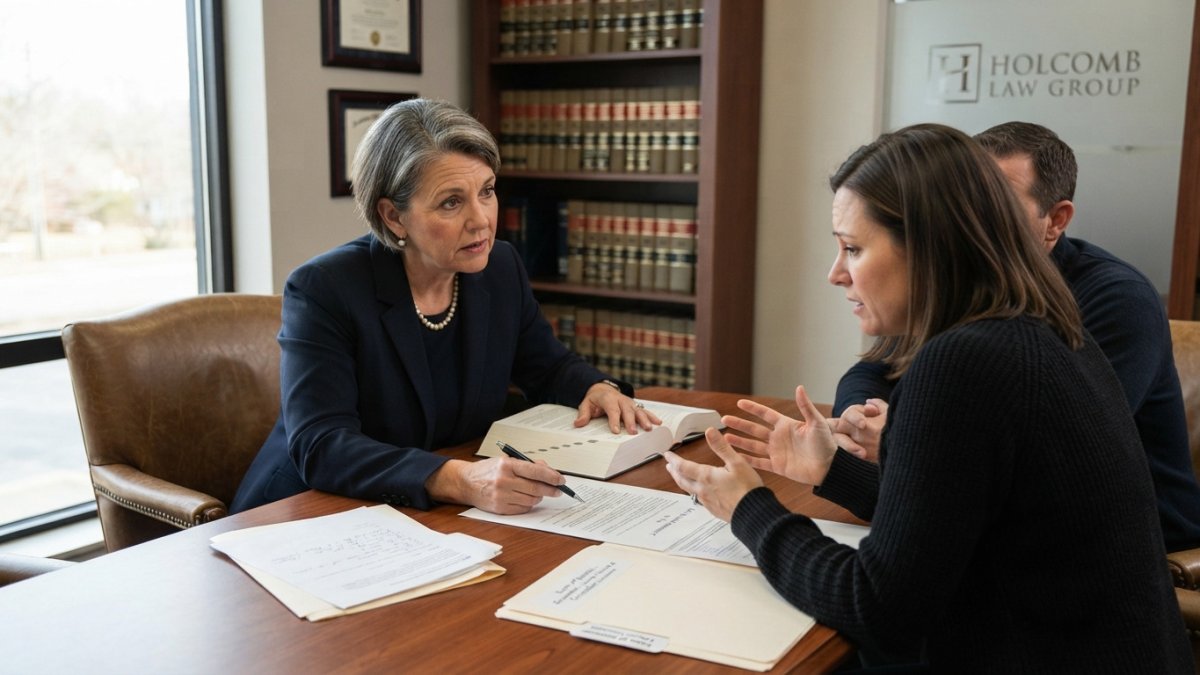
A real evaluation is a working session, not a sales pitch. A careful attorney reads your documents, asks pointed questions, and explains what could go wrong. Expect the review to cover three things: who was at fault, what your losses are, and whether the claim is worth pursuing.
Liability, Damages, and Claim Viability
Liability means proving the other party caused your injury. Damages are the losses you can recover, from medical expenses and lost wages to pain and suffering. Claim viability is the honest answer to one question: can this case be proven and collected?
A thorough lawyer tests all three before making promises. Under comparative negligence rules tracked by the Cornell Legal Information Institute, fault can be shared, and some states reduce your recovery when you carry part of the blame. That changes case strategy from day one.
How Evidence Strength Shapes Case Strategy
Evidence strength decides whether a case settles early or heads toward litigation. Strong medical records, clear accident evidence, and consistent documentation push an insurance adjuster toward a fair number. Weak or missing evidence invites a low offer.
Ask any lawyer you meet how they would shore up the gaps in your file. Their answer tells you more than their résumé.
Verifying Credentials, Disciplinary History, and Trial Experience
Credential checks take minutes and reveal a lot, but most people stop at "is the license active" and miss the parts that actually predict how a case will be handled. Work through the checks below in order, and write down what you find so you can compare candidates side by side.
Step 1: Confirm License Status and Standing
Every state bar association maintains a public member directory. Search the attorney by name and confirm three things: the license is active, the jurisdiction matches where your claim would be filed, and the status shows no suspension or probation. A license that is active but flagged as "probation" or "conditional" deserves a direct question.
Step 2: Read the Disciplinary Record, Not Just the Headline
Public discipline entries usually include the rule violated, the date, and the sanction. Read the underlying order when it is posted. Distinguish between administrative lapses (a missed continuing-education deadline) and conduct findings (mishandled client funds, neglect of a matter). One old administrative entry is a very different signal than a recent finding of neglect. The American Bar Association's public resources on finding a lawyer explain how state directories publish standing and discipline information.
Step 3: Verify Trial Experience With Specifics
"Trial attorney" on a website is a claim, not a record. Ask for the number of cases the attorney has taken to verdict in the last several years, the type of injury claims involved, and whether they were first chair or second chair. Court dockets in many jurisdictions are searchable online by attorney name, which lets you confirm that filings and verdicts exist. A lawyer who can name recent trials and describe their role is giving you verifiable information; one who speaks only in generalities is not.
Step 4: Check Specialization and Peer Recognition
Some states offer formal board certification in civil trial practice or personal injury law, which requires a minimum volume of relevant cases and a peer review. National organizations also maintain referral directories that screen for experience. Peer ratings such as an AV rating from Martindale-Hubbell reflect attorney evaluations, not client outcomes, so treat them as one data point rather than proof of fit.
Step 5: Confirm the Firm's Focus and Staffing
Ask what percentage of the firm's caseload is injury work, who the assigned attorney will be, and whether paralegals or case managers handle the day-to-day file. A firm that spreads across many practice areas may still have a strong injury team, but you should know which person owns your file before you sign.
Use this as a scorecard: one column per candidate, one row per check. The candidate with documented answers across all five rows is usually the safer hire, even if another one talks a better game.
Your Personal Injury Lawyer Consultation Checklist
Treat the first meeting as an interview, and you lead it. Bring organized documents, ask direct questions, take notes, and score each candidate on the same criteria so the comparison is fair.
Documents to Bring
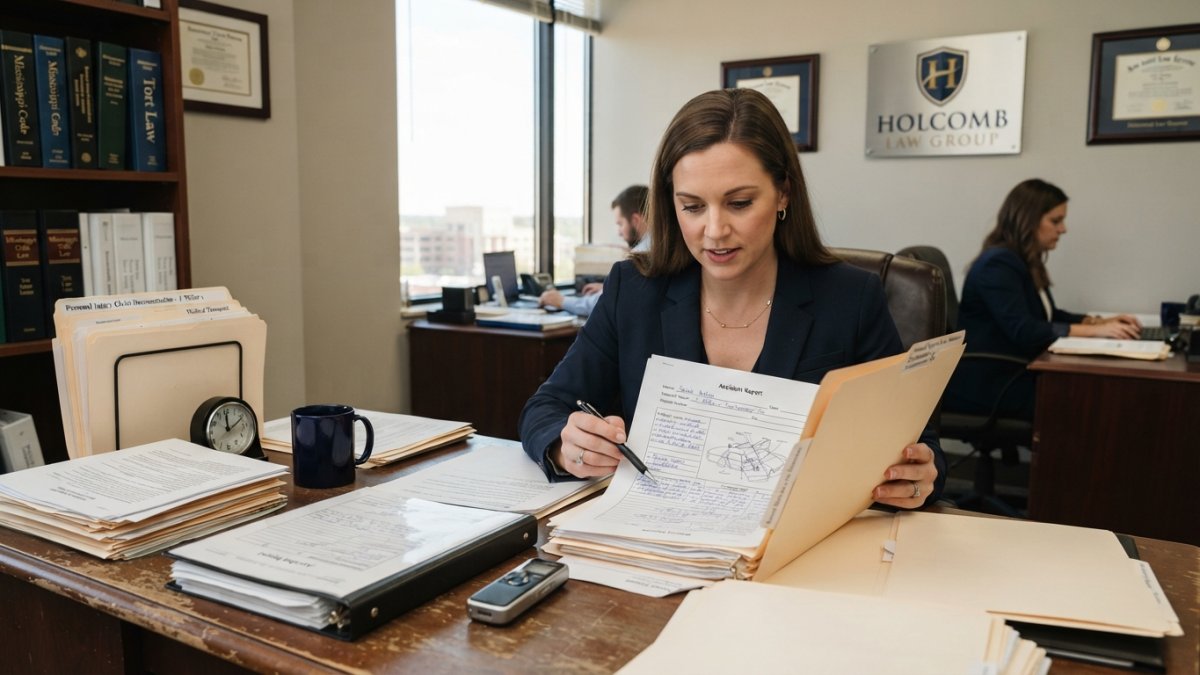
Bring the police or incident report, photos from the scene, all medical records and bills, proof of lost wages, and any insurance correspondence. Organized documents let the attorney give you a realistic read instead of a generic pitch.
The Comparison Scorecard
Score each candidate from 1 to 5 on the same rows, and keep the notes in one place:
- Case fit: Have they handled this exact injury and liability scenario before?
- Strategy: Can they walk you through how they would prove fault and what evidence is missing?
- Staffing: Who handles the file day to day, and who covers when they are out?
- Communication: How often will you get updates, in what form, and who returns calls?
- Fees and costs: What is the contingency percentage, does it change at trial, and which costs come out of your share?
- Trial willingness: If the offer is unfair, will they file suit and try the case?
- Deadlines: What filing deadlines apply, and how do they track them?
How Contingency Fees and Costs Affect Your Net Recovery
Most injury lawyers work on contingency, meaning they take a percentage of what you recover rather than billing by the hour. The details decide what you actually keep. Ask four questions:
- What is the percentage? Confirm the base rate in writing.
- Does it rise at trial? Many agreements increase the percentage if the case goes to litigation, so ask for both numbers.
- Are costs advanced or deducted? Case costs can include filing fees, records retrieval, depositions, and expert fees. Ask whether the firm advances them and whether they are repaid from the recovery before or after the fee is calculated.
- What about liens? Health insurers and medical providers may assert liens against your recovery. Ask how the firm handles lien negotiation and whether that work is included.
Run the math on a hypothetical recovery with each candidate so you can compare net figures, not just headline percentages.
Red Flags and Unrealistic Promises
End the conversation if you hear any of these:
- A guaranteed outcome or a specific dollar figure before any documents are reviewed
- Pressure to sign on the spot, or a fee agreement presented before you have asked questions
- Refusal to put the fee percentage, cost policy, and staffing plan in writing
- Evasiveness about discipline history or trial experience
- No clear answer on who will actually handle your file
That scorecard, filled in consistently, filters out weak fits faster than any review site, and it gives you a written record to revisit before you sign.
Questions to Ask a Personal Injury Lawyer Before You Hire
The best questions to ask a personal injury lawyer probe process, not promises. Ask how they build a case, who does the work, and what they expect from you. Ask what could sink the claim.
Three that matter most:
- "Walk me through how you would prove fault here."
- "What evidence are we missing, and how do we get it?"
- "If the offer is unfair, are you willing to file suit and try the case?"
Vague answers signal a file that will sit on a desk. Specific answers, with names and steps, signal real preparation.
How Personal Injury Expert Witnesses Strengthen a Claim
Expert witnesses turn opinions into proof. A medical professional can tie your injuries to the accident through testimony on causation. An accident reconstruction specialist can show how the crash happened. A life-care planner can map future medical care and its cost.
These experts cost money, and not every case needs one. The judgment call is part of legal expertise. A strong attorney knows when an expert adds use and when the file is already solid.
Fee Structures, Net Recovery, and Communication Expectations
Most injury lawyers work on contingency, meaning they take a percentage of what you recover rather than billing by the hour.
Communication is the other half of the deal. You should know who returns calls, how fast, and how you will be told about settlement offers. A firm that cannot describe its own process will not manage yours well.
At Holcomb Law Group, we put case preparation and steady communication at the center of our practice. If you are weighing a claim, our team can walk you through a case evaluation and tell you plainly where you stand.
Frequently Asked Questions
How do I evaluate a personal injury lawyer's expertise?
Start with verifiable credentials: bar licensure in your state, years handling personal injury claims, and whether the attorney has taken cases to trial. Ask how they evaluate liability, damages, and claim viability, and request examples of comparable cases without confidential details. Check disciplinary history through your state bar and confirm any board certification. During a consultation, note whether the lawyer explains the personal injury case evaluation process clearly and answers questions about evidence strength and case strategy without promising a specific outcome.
What questions should I ask a personal injury lawyer during a consultation?
Ask who will handle your file day to day, how often you will receive updates, and how the firm documents case preparation. Request the fee structure in writing, including costs advanced for medical records or personal injury expert witnesses and whether those are deducted before or after the contingency percentage. Ask how they assess liability and comparative negligence, what medical evidence they require, and how they decide whether to negotiate a settlement or file litigation. A clear personal injury lawyer consultation checklist keeps these answers comparable across firms.
How can I tell whether a lawyer has handled cases like mine?
Ask for the types of personal injury cases they routinely handle, the injury severity involved, and whether those claims resolved through settlement or trial. Request anonymized examples describing the legal argument and evidence used, not just outcomes. Confirm the attorney's role in prior matters and whether personal injury expert witnesses were retained. Cross-check claims against state bar records and publicly available court filings where accessible, and be cautious of anyone who cannot describe case complexity or the burden of proof in practical terms.
What should I look for in a personal injury lawyer's communication style?
Look for plain explanations of the personal injury case evaluation process, clear timelines, and direct answers about risks and case complexity. Ask how the firm handles questions between meetings and who responds when the attorney is in trial. Reliable counsel sets expectations about documentation, medical records collection, and insurance adjuster negotiations rather than offering guarantees. If answers are vague about fees, net recovery, or case management, treat that as a warning sign and compare other attorneys before signing.
A personal injury claim moves fast, and the early decisions set the outcome. Hiring counsel with proven preparation, clear communication, and real trial experience protects your recovery. Holcomb Law Group offers deep preparation, honest case assessments, and a steady hand through negotiation or litigation. Get started with Holcomb Law Group and make your next decision with clear information.