 how-to
7 Steps to Challenge Workers Comp Claims Effectively
Last Updated: November 5, 2026
Quick Summary
Challenging workers comp claims effectively starts with understanding the insurer's investigation, then building a documentation file that answers the adjuster's questions before they are asked. Read any denial letter as a roadmap, match each stated reason to a record in your file, and file a point-by-point response with the state agency before the deadline.
- Adjusters check for on-the-job proof, prompt reporting, and treatment matching the reported injury.
- Never say I'm fine to an adjuster, because that line will be quoted back.
- Number your denial response paragraphs to match the insurer's stated reasons and attach exhibits in the same order.
- Confirm the filing deadline with the state agency, since the clock usually runs from the denial letter date.
- Ask the agency whether benefits continue during an appeal before you file.
Table of Contents
- Start With the Workers Compensation Claim Investigation
- Build Your Workers Comp Claim Documentation File
- What Not to Say to a Workers Comp Adjuster
- Respond to the Denial Letter and Common Denial Reasons
- Follow the Workers Comp Claim Denial Appeal Process
- Injured Worker or Employer: Two Different Ways to Challenge a Claim
- Understand Appeal Risks and Keep Benefits Flowing
- Talk to a Workers Compensation Attorney About Your Claim
- Frequently Asked Questions
Start With the Workers Compensation Claim Investigation
The moment a workers comp claim is filed, the insurer opens an investigation that decides how the claim is handled and shapes every dispute that follows. Challenging workers comp claims effectively starts with understanding that early stage, because the adjuster is already building a file before you say a word.
Workers compensation claim investigation is the process an insurer uses to confirm an injury happened at work, is covered, and justifies benefits.
What the Adjuster Is Looking For
Adjusters look for three things: proof the injury happened on the job, proof it was reported promptly, and proof the treatment matches the reported injury. They compare the incident report, witness statements, and wage records against the medical file. Gaps between those records are where disputes begin.
- Was the injury reported the same day?
- Do the witnesses tell the same story?
- Does the treating physician link the injury to work?
Watch out: a late report or vague incident description gives the insurer room to question work-relatedness, and that gap can stall a legitimate claim for months.
Build Your Workers Comp Claim Documentation File
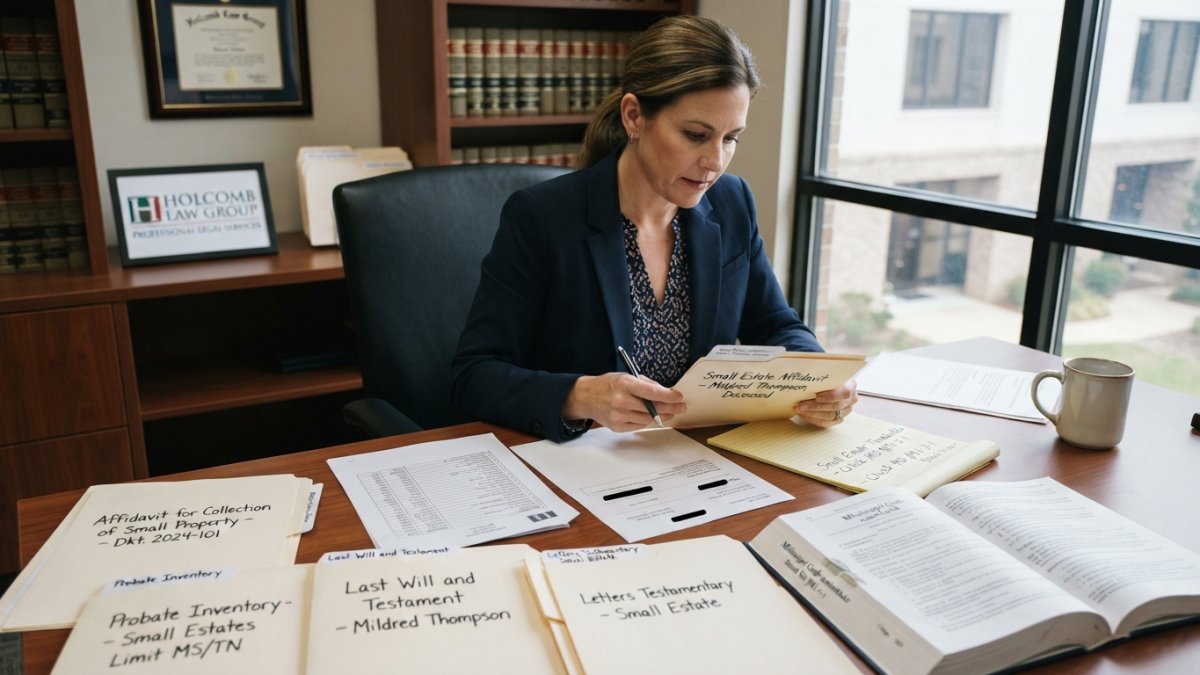
A strong file answers the insurer's questions before they are asked. Start one folder, paper or digital, and add to it from day one.

Evidence Checklist and Documentation Timeline
Use this checklist and add each item as soon as it exists:
- Incident report filed with the employer
- Names and statements from witnesses
- Photos of the injury and the work area
Report the injury promptly, follow the treatment plan without gaps, and log every call and letter. Insurers read gaps in treatment as evidence the injury was not serious.
What Not to Say to a Workers Comp Adjuster
Adjusters are friendly, and that is the job. Anything you say can end up in the claim file and be used to narrow or deny benefits.
- Do not guess about how the injury happened. State facts only.
- Do not say "I'm fine" or "it's not that bad." That line will be quoted back.
- Do not discuss prior injuries beyond what the medical records show.
A common mistake is treating a recorded statement like a casual chat. Keep answers short, factual, and limited to the question asked.
Respond to the Denial Letter and Common Denial Reasons
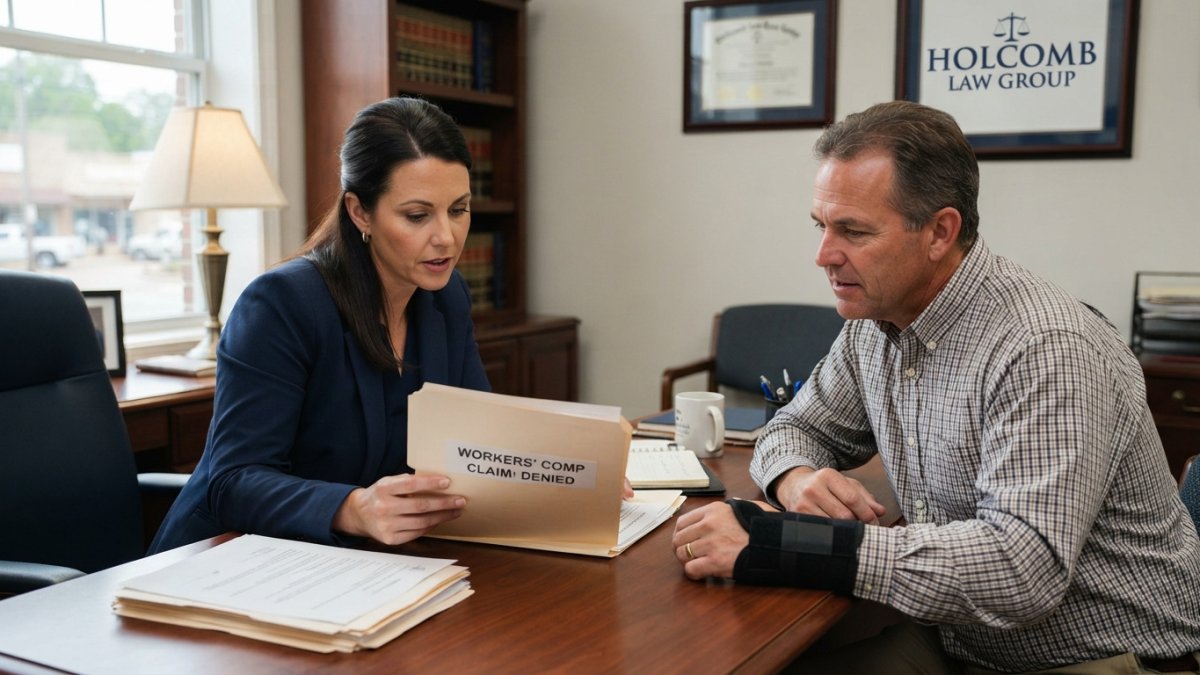
A denial letter is not the end of the claim. It is a roadmap: it states the insurer's reasons, and each can be answered with evidence. Read it twice, then match each stated reason to a document in your file, treating the letter as a list of arguments to defeat one by one rather than a verdict.
Read the Letter for Its Structure, Not Its Tone
Most denial letters follow a predictable shape: a one-line conclusion, stated reasons, a citation to the policy or statute relied on, and appeal rights with a deadline. Pull out four things before you write anything:
- The exact reason or reasons stated, quoted word for word.
- The specific record the insurer relied on (or said was missing).
- The statute, rule, or policy provision cited.
If the letter cites a reason but not a record, that is a gap you can exploit. If it cites a record, check whether that record is complete or was read in isolation.
A Denial-Reason-to-Response Framework
Most denials fall into a handful of categories.
Notice or reporting deadline missed. The insurer says the injury was reported too late.
Missing or insufficient medical support. The insurer says there is no objective evidence.
Disagreement with the treating physician's findings. The insurer relies on a records review or an independent medical examination.
Claimed lost time or wage dispute. The insurer disputes the wage basis or the period of disability.
Write the Response as a Record, Not a Letter
For each reason in the letter, write one paragraph of response backed by a record. Number the paragraphs to match the insurer's reasons. Attach exhibits in the same order. Then keep the original letter, your response, and every attachment together in one file.
If the employer itself denied the claim, it is worth checking whether that denial was legally sound before you decide how to respond. Our article on whether employers can deny workers comp claims legally walks through the limits on an employer's ability to deny.
Follow the Workers Comp Claim Denial Appeal Process
The workers comp claim denial appeal process begins with a formal challenge filed with the state workers' compensation agency or commission, not the insurer. Each state sets its own forms, deadlines, and hearing rules, so confirm the procedure with the agency handling your claim before filing. Because the filing rules vary by state, the same careful approach to deadlines, documentation, and procedure can help when you appeal denied insurance claims beyond workers' compensation.
The Three Forks Every Appeal Passes Through
Most state systems route a disputed claim through three stages, though the names and order vary:
- An informal or administrative review. A claims examiner, mediator, or ombudsman reviews the file and may reverse the denial without a hearing. This stage is cheap, fast, and often skipped by people who file straight for a hearing.
- A formal petition or request for hearing. This filing starts the clock and creates the case. It usually requires a specific form, a filing fee in some states, and a statement of the benefits sought.
- A hearing before an administrative law judge or hearing officer. The record you built does the talking here.
Ask the agency which fork your claim is on before you file. Filing for a formal hearing when an informal review was available can cost weeks you did not need to spend.
Deadlines, Forms, and the Hearing
Deadlines are short and strictly enforced. Missing one can end the claim. The sequence usually looks like this:
- Review the denial letter and note the stated reasons.
- Confirm the filing deadline with the state agency, the clock usually runs from the date on the denial letter, not the date you received it.
- Complete the correct appeal form or petition for benefits for that state.
- Attach medical records, wage records, and witness statements.
- Request an informal meeting or negotiation if the state allows one.
- Prepare for the hearing, including testimony and evidence preparation.
- Attend the hearing and present the file in order.
A few mechanics are worth knowing before you file:
- Filing rules are strict in most states, so confirm the requirements with the agency. If it is late or on the wrong form, the agency may dismiss it without reaching the merits.
- Some states require a pre-hearing conference or mediation before a hearing date is set. Attend it prepared; it is often where claims resolve.
- Evidence deadlines at the agency level are separate from the filing deadline. Medical records and witness lists often have their own cutoffs, and late evidence can be excluded.
The U.S. Department of Labor Office of Workers' Compensation Programs publishes federal guidance that shows how structured these procedures are. State agencies follow the same logic with their own rules and time limits.
At the hearing, bring organized copies, know the timeline, and answer only what is asked.
What Happens to Benefits While the Appeal Is Pending
This is the question most guides skip.
How benefits are handled during a pending appeal depends on the state and on whether benefits were already being paid.
Watch out: assuming benefits will continue during the appeal without confirming the state rule can leave a worker without income or treatment for months.
Most state systems route a disputed claim through the same three stages, though the names and order vary.
| Stage | What happens | Key point |
|---|---|---|
| Informal or administrative review | Claims examiner, mediator, or ombudsman reviews the file | May reverse the denial without a hearing |
| Formal petition or request for hearing | Filing starts the clock and creates the case | Usually requires a specific form and statement of benefits sought |
| Hearing before administrative law judge | Testimony taken under oath; judge decides on record plus testimony | The record you built does the talking |
Injured Worker or Employer: Two Different Ways to Challenge a Claim
The word "challenge" means opposite things depending on which side you stand on, and most guides blur the two.
An injured worker challenges a denial to restore workers' comp benefits: medical care, lost wages, and any disability payments owed.
If you are an employer, the question is not whether to fight every claim. It is whether the file supports the position.
Understand Appeal Risks and Keep Benefits Flowing
An appeal carries real risk: hearings take time, medical evidence can be challenged, and a weak appeal can delay resolution. Plan for the gap.
- Ask the state agency whether any benefits continue while the appeal is pending.
- Keep treatment going where the rules allow it.
- Budget for the period between filing and decision.
If the dispute is heading toward resolution, understanding how the settlement process plays out helps you plan. Our overview of the workers' comp settlement process explains what resolution looks like and what to expect at each stage.
Talk to a Workers Compensation Attorney About Your Claim
Some claims resolve without counsel. Others turn on a deadline, a medical opinion, or a hearing where the record decides the outcome. That is the point to bring in a workers' compensation attorney.
Holcomb Law Group represents insurers and self-insured employers in workers' compensation defense, bad faith litigation, and coverage analysis across Mississippi, Tennessee, and the Southeast.
If you are ready to engage counsel, our guide on what to expect from workers compensation attorneys covers the process from first consultation to resolution. And when you want to move forward, see how to book a workers comp defense consultation and what documents to prepare.
Frequently Asked Questions
What should I avoid saying to a workers comp adjuster?
Do not guess at how the injury happened, admit fault, or say you are fine. Avoid casual statements like 'I probably shouldn't have been doing that' or 'it was my fault.' Stick to facts about the work-related injury and your treatment. Do not sign a recorded statement before you understand how it will be used. If the adjuster asks about prior injuries or activities, answer honestly but do not volunteer extra detail. When in doubt, ask for the question in writing or consult a workers compensation attorney before responding.
How hard is it to challenge a workers comp claim denial?
It depends on the stated reason and the evidence you can produce. A denial based on missing documentation is often resolved by submitting medical records, wage records, and a treating physician's opinion. A denial that disputes work-relatedness is harder and usually needs a medical opinion linking the injury to the job. Deadlines are short and set by your state workers compensation agency, so review the denial letter immediately and file the correct appeal forms on time. An attorney can tell you whether your evidence is strong enough to proceed.
What evidence helps when a workers compensation claim is disputed?
The strongest file includes the incident report, witness statements, medical records and treatment notes, a written medical opinion from the treating physician on work-relatedness and restrictions, wage records, and any photos of the scene or injury. Keep a timeline of events and a log of every call with the insurance company. For employers, add safety records, job descriptions, and surveillance or attendance records if relevant. Organized workers comp claim documentation makes the appeal easier to review and harder to dismiss.
Can I challenge a claim without hiring an attorney?
Yes. Many injured workers file appeal forms and attend hearings on their own, and some states offer an informal meeting or mediation first. The tradeoff is that the appeal process has strict deadlines, forms, and evidence rules, and a missed step can end the case. If your claim involves a disputed medical opinion, a large lost-wage figure, or a hearing with testimony, legal representation is worth considering. Ask about a free consultation so you can weigh the cost against the risk.
Workers comp claims are won or lost on the record, and the record starts forming the day the injury is reported. If a claim has been denied or disputed and the deadlines are closing in, get counsel involved before the file is set. Get started with Holcomb Law Group and put steady, prepared representation behind your claim.