 how-to
How Can I Find a Neutral Mediator to Resolve a Legal Dispute?
Last Updated: October 24, 2026
Quick Summary
To find a neutral mediator, start with court-connected mediation programs, private mediation services, professional referral directories, or attorney referrals matched to your dispute type. Interview candidates on experience, approach, fees, and neutrality before hiring, then prepare by gathering documents and clarifying your priorities.
- Court-connected programs, private firms, and professional organizations all maintain mediator rosters filtered by dispute type and location.
- Ask mediators about their experience with cases like yours, their training and certification, and how they handle conflicts of interest.
- Mediation typically uses joint sessions followed by separate private caucuses where the mediator carries offers between parties.
- Confidentiality rules vary by state and whether mediation is court-ordered, so confirm what stays private with your mediator.
- Prepare by gathering documents, creating a timeline, identifying your priorities, and understanding your settlement range before the first session.
Table of Contents
- Why Find a Neutral Mediator for Your Legal Dispute
- Understanding Mediator Credentials and Experience
- Where to Find a Neutral Mediator in Your Area
- Questions to Ask a Mediator Before You Hire
- Mediation Preparation Checklist
- What to Expect in Mediation
- Getting Legal Guidance Before Your Mediation
- Frequently Asked Questions
Why Find a Neutral Mediator for Your Legal Dispute
A neutral mediator is a trained professional who helps two or more parties work through disagreements without going to court, saving time and reducing stress on everyone involved.
When you find a neutral mediator, you're choosing someone with no stake in the outcome.
Many business owners, construction companies, and individuals discover that mediation works when direct negotiation stalls. You control the process, the timeline, and the terms of any agreement.
Mediation also keeps sensitive details private. Court proceedings are public record, but in mediation what's discussed stays confidential, protecting your reputation and competitive information (Questions And Answers About Mediation).
Understanding Mediator Credentials and Experience
Mediator qualifications vary by state and by the type of dispute, so understanding what credentials and experience mean helps you choose someone equipped for your situation.
Most mediators complete formal training in communication techniques, conflict resolution, and managing difficult conversations.
Look for mediators who have handled cases similar to yours.
Ask about a mediator's specific experience:
- How many cases have they mediated in your dispute type?
- How long have they been mediating?
- Do they have background in your industry or field?
- What training have they completed?
- Are they certified by any professional organization?
Some mediators hold law degrees or other professional credentials. That can help, but what matters most is their training in mediation itself and their track record with disputes like yours.
Where to Find a Neutral Mediator in Your Area
Finding the right mediator starts with matching your dispute type to the right sourcing channel. The table below is a practical decision aid, not a ranking, the best channel depends on your case, your budget, and whether a court is already involved.
| Your situation | Best first stop | Why |
|---|---|---|
| Family, divorce, custody, or support dispute | Court-connected family mediation program; state court self-help center | Rosters are screened for training standards, and many programs offer sliding-scale or no-cost sessions |
| Small civil claim or neighbor/consumer dispute | Court-annexed mediation or community mediation center | Low cost, local, and familiar with common local dispute patterns |
| Workplace or employment disagreement | Employer HR/EEO office, state mediation agency, or professional mediator directory | Employment mediators understand workplace dynamics and confidentiality expectations |
| Business-to-business contract or partnership dispute | Private mediation firms, industry associations, and attorney referrals | Commercial mediators often have subject-matter depth and can handle multi-party logistics |
| Construction or insurance coverage dispute | Industry-specific panels and rosters | Subject-matter context shortens the learning curve and improves settlement odds |
| Parties in different states or unable to travel | Online mediation providers and remote-capable private mediators | Video mediation is now routine and can reduce cost and scheduling friction |
Court-Connected Mediation Programs
Many courts run court-annexed or court-connected mediation programs with a roster of approved mediators; some require mediation before trial, others make it optional. Contact your local court's dispute resolution office to learn what exists in your area. Court-connected mediators typically meet training standards set by the court system, and many courts publish rosters online. Ask whether mediation is mandatory for your case type, whether fees are reduced or waived based on income, and how the roster is screened.
Private Mediation Services and Directories
Private mediation firms maintain networks of independent mediators and match clients by dispute type, location, and experience. Professional organizations publish member directories you can usually filter by location and dispute category. Compare candidates on the same fields: years in practice, cases in your dispute type, training hours, certification, fee structure, and online availability. A directory listing is a starting point, not a credential, verify details directly with the mediator.
Professional Organizations and Referrals
Professional mediation organizations maintain referral networks and set standards for members, often requiring continuing education and ethics compliance. Ask your attorney for referrals; attorneys frequently collaborate with mediators they trust, which can save time. Business associations, industry groups, and community organizations sometimes maintain mediator lists, especially useful for construction, insurance, and commercial disputes.
Local Versus Remote Options
Location matters less than it used to. In-person mediation is often preferred for emotionally charged family matters and multi-party business disputes where reading the room matters. Online mediation fits parties in different states, avoids travel costs, and eases scheduling. Ask candidates whether they offer video sessions, what platform they use, and how they handle confidential documents and separate caucus rooms remotely.
Questions to Ask a Mediator Before You Hire
A short interview call is the highest-value step in choosing a mediator. Compare candidates on the same dimensions and take notes so you can weigh answers side by side.
1. Neutrality and Conflict Checks
Ask directly: "Have you or your firm had any prior relationship with the other party, their attorney, or their business?" A credible mediator runs a conflict check before the first session and discloses prior relationships. Ask how they handle a conflict that surfaces mid-mediation. Neutrality is the willingness to disclose and step aside if a relationship exists.
2. Experience in Your Dispute Type
Ask how many cases they have mediated in your category, how long they have been mediating, and whether they have subject-matter background in your industry. A family mediator may not fit a commercial contract dispute, while a construction mediator brings context that shortens the learning curve. Ask for a representative example of a case like yours and how it resolved.
3. Approach: Facilitative Versus Evaluative
Some mediators use a facilitative approach, helping both sides communicate without offering opinions on the merits. Others use an evaluative approach, giving feedback on each side's position. Ask which approach they use, why, and whether they will shift approaches if the parties stall. Neither is inherently better, the right fit depends on whether you want process help or a reality check.
4. Process and Logistics
Ask how long mediation typically takes for a case like yours, whether sessions are in person or online, how many sessions to expect, and whether they use joint sessions, separate caucuses, or both. Ask how they handle a party who refuses to participate in good faith. Understanding these procedural nuances helps clarify why the choice between mediation versus litigation remains a pivotal decision when navigating the complexities of a high-conflict divorce.
5. Confidentiality and Its Limits
Ask what stays confidential, what exceptions apply, and how the mediator handles settlement documents. Confidentiality rules vary by state and by whether the mediation is court-ordered, so ask the mediator to explain the rules that apply to your situation rather than assuming.
6. Fees and How Costs Are Divided
Ask for the fee structure in writing: hourly rate or flat session fee, retainer, administrative charges, and whether the mediator charges for preparation and document review. Ask who pays and how costs are divided. Splitting mediator fees equally is common but negotiable, so confirm it before the first session.
7. Availability and Fit
Ask how soon they can start, whether they can accommodate your schedule, and whether they have capacity for a multi-session matter. Fit matters, you will be sharing sensitive information with this person.
Red Flags
- A mediator who seems to favor one side or dismisses one party's concerns
- Reluctance to explain process, fees, or confidentiality clearly
- No relevant experience with your dispute type and no willingness to say so
- Inability to describe how conflicts are checked and disclosed
- Pressure to settle quickly or predictions of a specific outcome
- No written fee agreement before the first session
Mediation Preparation Checklist
Preparing for mediation increases the chance of a successful outcome. Use this checklist to organize your approach.
Before Your First Session:
- Gather all relevant documents (contracts, emails, agreements, evidence)
- Create a timeline of events leading to the dispute
- List your core concerns and priorities
- Identify your best alternative if mediation doesn't work
- Set a realistic settlement range you'd accept
- Write down questions for the mediator about their process
- Arrange transportation or technology (for online mediation)
During Preparation:
- Review your documents so you know them well
- Practice explaining your position clearly and calmly
- Identify areas where you might find common ground
- Think about the other party's perspective
- Prepare to listen, not just talk
Communication Preparation:
- Plan how to describe your position without blame language
- Avoid language that escalates tension
- Prepare to ask questions about the other side's concerns
- Think about what would make this dispute feel resolved
Financial Preparation:
- Understand the mediator's fees and payment terms
- Budget for your attorney's time if you're bringing one
- Know your financial limits for settlement
What to Expect in Mediation
Mediation follows a predictable structure, though each mediator may adjust it slightly.
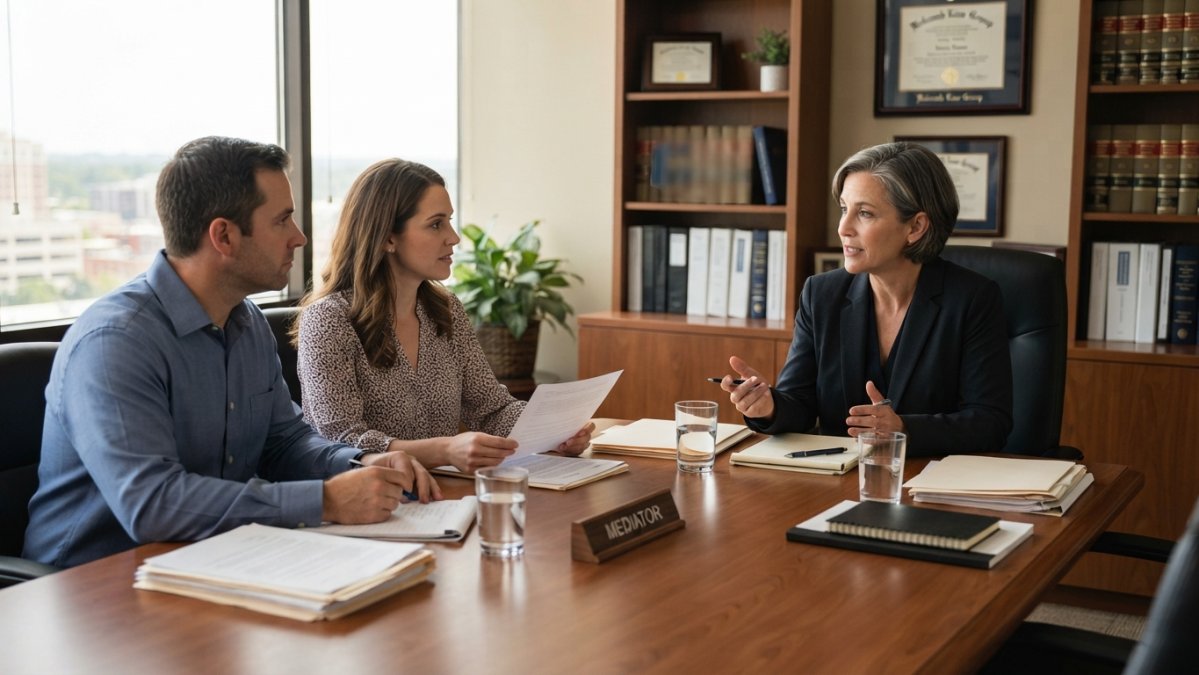
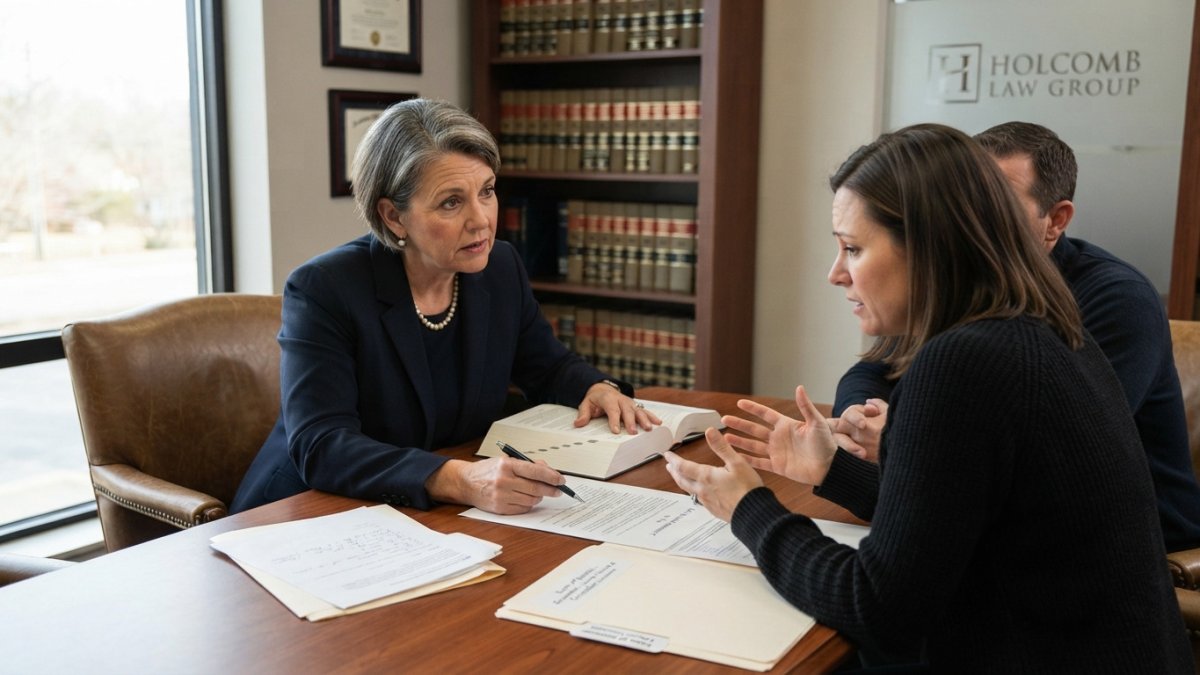
Each party usually gets uninterrupted time to explain their view of the dispute, their concerns, and what they want from a settlement.
The mediator often then moves to separate caucuses, meeting with each side privately.
The mediator moves between rooms carrying offers and counteroffers, helping both sides understand each other's positions until the gap often narrows.
Getting Legal Guidance Before Your Mediation
Having an attorney review your situation before mediation strengthens your position.
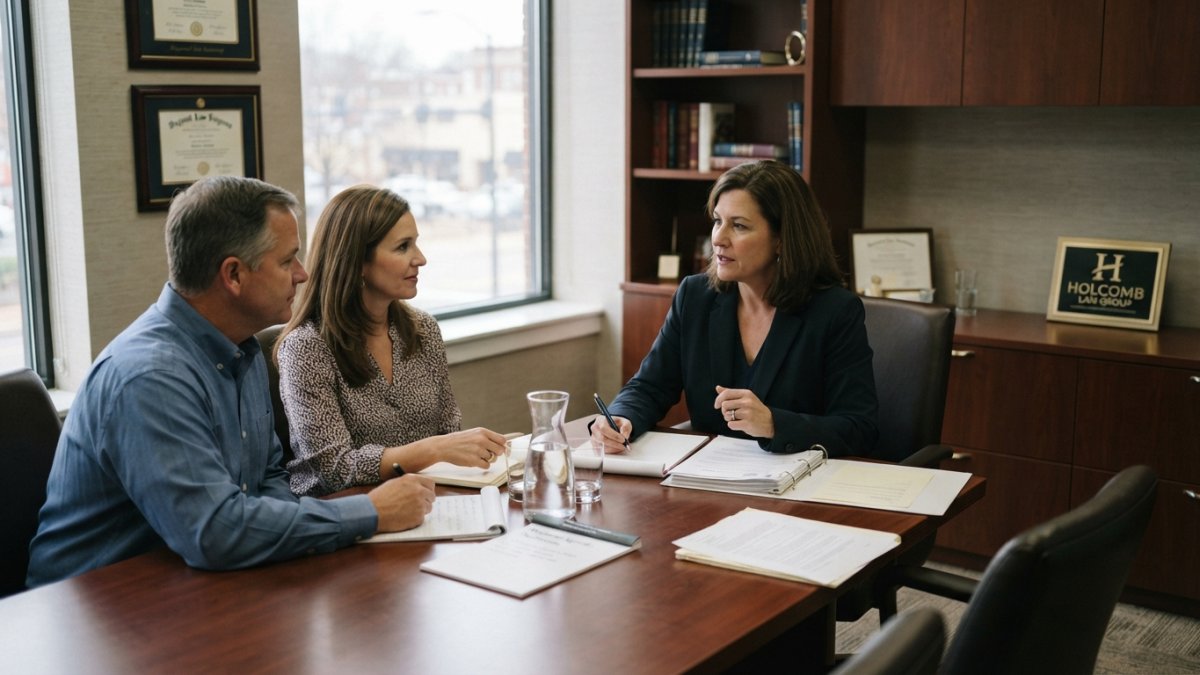
An attorney can review your documents, identify strong and weak points, and help you develop a mediation strategy.
You don't have to bring an attorney to mediation, but it's often wise. If your dispute involves complex legal issues or significant money, legal guidance protects your interests. You can explore the benefits of mediation for business disputes to understand how mediation fits into your broader dispute resolution strategy.
When you're ready to move forward with mediation, understanding how to work with an attorney ensures you're protected throughout the process.
Finding a neutral mediator means choosing someone impartial, experienced in your dispute type, and committed to helping both sides communicate.
Frequently Asked Questions
How can I find a mediator for a legal dispute in my area?
Start by contacting your local court system, many offer court-connected mediation programs that can refer you to qualified mediators. You can also search private mediation directories, contact professional mediation organizations, or ask your attorney for referrals. When evaluating options, verify the mediator's neutrality, relevant experience with your dispute type, and any required certifications or training in your state.
What mediator credentials and experience should I look for?
Look for mediators who have completed formal mediation training, hold certifications from recognized organizations, and have experience resolving disputes similar to yours. Many states require specific hours of training; verify your state's requirements. Ask about their background, whether they have legal training, experience in your dispute area (business, family law, civil matters), and their track record with settlement rates. Request references from previous clients.
What questions should I ask a mediator before hiring?
Ask about their mediation style, experience with your dispute type, how they ensure impartiality, their fee structure and how costs are divided between parties, cancellation policies, and whether they offer in-person, videoconferencing, or online mediation options. Also inquire about confidentiality protections, how long mediation typically takes, and what happens if the parties cannot reach agreement. Request their qualifications and any professional affiliations.
Can mediation actually resolve a dispute without going to trial?
Yes. Mediation succeeds when both parties are willing to negotiate in good faith with a neutral facilitator. The mediator does not make decisions but helps both sides communicate, understand each other's interests, and work toward a mutually acceptable settlement. If mediation does not resolve the dispute, you retain the option to pursue litigation, arbitration, or other remedies. Many disputes settle through mediation, avoiding the time and cost of trial.