 blog
Expert Mediation Services for Business Disputes
Table of Contents
- Why Expert Mediation Services for Business Disputes Beat Litigation
- How to Choose an Experienced Mediator for Commercial Disputes
- How to Settle a Business Dispute: A Step-by-Step Approach
- What to Expect in Mediation: The Process From Start to Settlement
- Your Mediation Preparation Checklist
- Confidentiality, Impartiality, and Enforceability: What Makes Mediation Work
- Remote and Hybrid Mediation: Options for Modern Business Disputes
- Conclusion
- Frequently Asked Questions
Last Updated: October 18, 2026
Why Expert Mediation Services for Business Disputes Beat Litigation
Expert mediation services for business disputes resolve commercial conflicts through a structured, confidential negotiation led by a trained neutral, usually in weeks rather than months. The reason is simple: litigation is built to assign blame, while mediation is built to solve a problem.
That distinction matters more than most business owners realize when a contract dispute, partnership disagreement, or payment conflict first surfaces.
Cost and Time: The Real Difference
Litigation consumes money in ways that are hard to see up front: discovery, depositions, expert witnesses, motions, and appeals. A commercial case can run for years before a judge or jury ever rules. Mediation compresses that timeline because the parties sit down with a neutral and negotiate directly.
Speed has a second benefit. Cash flow problems, strained vendor relationships, and stalled projects get resolved while the business can still recover. A verdict three years out rarely saves a company that needed the money this quarter.
How to Choose an Experienced Mediator for Commercial Disputes
Choosing the right mediator is the single highest-use decision in the process. Most ranking pages tell you to look for experience and neutrality and stop there. That is not enough to actually pick between two qualified candidates. The practical work is due diligence: a structured comparison of case experience, fee model, process style, availability, and references.
A Due-Diligence Checklist for Prospective Mediators
Use the same questions with every candidate so the answers are comparable:
- Dispute-category depth. How many matters in your specific category, construction defect, shareholder and partnership disputes, insurance coverage, supply-chain and payment conflicts, has the mediator handled in the last 24 months? Ask for a representative sample, not a career total.
- Role history. Has the mediator primarily served as a neutral, or as an advocate who now mediates? Both can work, but the answer shapes how they read a room.
- Process style. Facilitative (the mediator guides the parties toward their own deal) versus evaluative (the mediator offers candid assessments of strengths and weaknesses). Ask which they default to and whether they will shift on request.
- Conflicts. Run a conflicts check before engagement. Ask how the mediator screens for prior relationships with the parties, counsel, and insurers involved.
- Availability and scheduling. Confirm the mediator can hold a full-day session within your timeline and will not double-book.
- References. Ask for two or three parties or counsel from comparable disputes and actually call them. Ask what the mediator did when talks stalled.
- Fee model. See the next subsection, get it in writing before you commit.
Understanding Mediator Fee Structures
Most commercial mediators bill by the hour, and the rate is typically shared equally between the parties. A common pattern is a half-day or full-day session minimum, with preparation and follow-up billed separately. Some mediators quote a flat fee per session; others bill hourly for preparation, the session itself, and any drafting of the settlement terms. Before you engage anyone, confirm in writing:
- The hourly rate or flat session fee, and whether it is split evenly.
- What counts as billable time, preparation, caucuses, drafting, follow-up calls.
- Cancellation and rescheduling terms, including any minimum charge.
- Whether administrative or facility costs are separate.
- Who invoices whom, and when payment is due.
A mediator who cannot explain the fee model clearly in a short call is a warning sign. Transparent pricing is part of professional competence.
Comparing Candidates Side by Side
Score each candidate on the same dimensions, category depth, process style fit, conflicts cleared, availability, references, and fee transparency, and compare the scores before you commit.
Credentials matter, but fit matters more. Peer recognition and a strong reputation reflect preparation and judgment, and those qualities show up at the table. Still, a decorated mediator who has never handled your type of dispute is a weaker choice than a less-decorated one who has.
How to Settle a Business Dispute: A Step-by-Step Approach
Settling a business dispute starts long before the first joint session. The work is in preparation, and the parties who prepare best usually control the outcome.
- Define the real dispute. Write down what you actually need, not just what you are angry about. Money, performance, and future relationship are three different asks.
- Gather the documents. Contracts, invoices, emails, change orders, and payment records form the factual backbone of any settlement discussion.
- Set your walk-away point. Know your bottom line and your ideal outcome before you enter the room.
- Agree on a mediator. Both sides should have confidence in the neutral.
- Exchange pre-session summaries. A short written statement of your position helps the mediator prepare.
- Attend the session with decision authority. The person who can say yes must be in the room.
- Document the settlement. Put the agreement in writing before anyone leaves.
That last step is where disputes quietly fall apart. A handshake is not a settlement.
What to Expect in Mediation: The Process From Start to Settlement
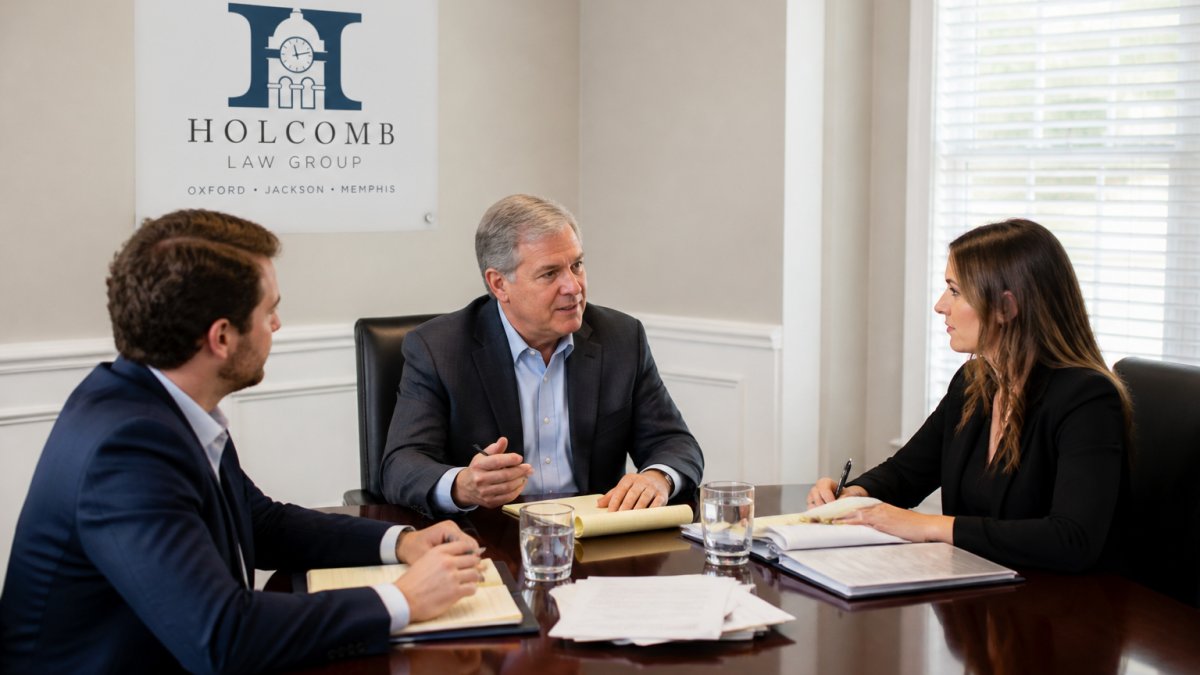
What to expect in mediation is a structured, confidential negotiation guided by a neutral who does not decide the outcome. The process typically moves through an opening session, private caucuses, a final negotiation, and a documented settlement. Understanding the rhythm, and what happens after the handshake, removes much of the anxiety that keeps parties from trying it.
The Opening Session
The mediator explains the ground rules, confirms confidentiality, and invites each side to present its position. This is not a trial. No one cross-examines you, and nothing said here can be used against you later if the case does go to court.
Private Caucuses and Negotiation
Most of the real work happens in separate rooms. The mediator shuttles between parties, testing offers, reality-checking expectations, and looking for the overlap neither side can see from its own corner. Offers move back and forth until a number and terms hold.
Documenting the Settlement
When the parties reach agreement, the mediator or counsel reduces the terms to writing before anyone leaves the room. A well-drafted term sheet or memorandum of settlement should cover:
- The specific obligations of each party, with deadlines.
- Payment amounts, schedule, and method.
- Any confidentiality or non-disparagement terms.
- Releases of claims, stated precisely.
- What happens if a party fails to perform.
A handshake is not a settlement. The written document is what protects both sides.
When the Agreement Becomes Binding
A mediated settlement agreement, once signed by the parties, is generally a binding contract under state law. Some parties choose to have the agreement incorporated into a court order or consent judgment, which can make enforcement more direct. Whether to take that step depends on the dispute, the parties' relationship, and the risk of non-compliance. Ask counsel before the session which route fits your situation.
If a Party Does Not Comply
If one side later refuses to honor a signed settlement agreement, the other can typically enforce it through the courts as a breach of contract. The remedy depends on the terms: specific performance, damages, or both. This is the safety net under the whole process, and it is why the drafting stage deserves as much attention as the negotiation itself.
The session is only half the work. The written agreement and the enforcement path behind it are what turn a productive conversation into a durable resolution.
Your Mediation Preparation Checklist
A mediation preparation checklist turns a stressful session into a manageable one. Use this before every session:
- Signed mediation agreement and confidentiality acknowledgment
- Chronology of events with dates and key correspondence
- Copies of the contract, amendments, and change orders
- Invoices, payment records, and financial summaries
- Damage calculations or a documented range
- Written summary of your position for the mediator
- List of your must-haves versus nice-to-haves
- Confirmed settlement authority and a clear walk-away point
- Names of attendees and their roles
- Draft settlement terms template ready to complete
Preparation is where experienced parties separate themselves. The checklist above takes a few hours and saves days of confusion.
Confidentiality, Impartiality, and Enforceability: What Makes Mediation Work
Confidentiality, impartiality, and enforceability are the three pillars that make mediation trustworthy for commercial parties.
The impartial neutral is not a judge. The mediator does not rule, score, or favor a side. That neutrality is why parties who would never concede a point in litigation will often move in mediation.
Enforceability deserves attention. A mediated settlement agreement, once signed by both parties, is a binding contract. If one side later refuses to honor it, the other can enforce it through the courts. That is the safety net under the whole process.
Remote and Hybrid Mediation: Options for Modern Business Disputes
Remote and hybrid mediation have become standard options for business disputes, and they solve real problems. Parties in different states, busy executives, and insurers with dispersed claims teams can all participate without travel.
The trade-off is human. Reading a room is harder on a screen, and some negotiations benefit from the candor that comes with physical presence. A hybrid model, where opening statements happen remotely and the final session is in person, often captures the best of both.
For parties across Mississippi, Tennessee, and the Southeast, remote mediation removes geography as a barrier to resolution.
Conclusion
Business disputes drain time, money, and attention from the work that actually grows a company. Mediation offers a faster, more private path to a workable settlement, and choosing the right neutral is the difference between a stalled session and a signed agreement.
Holcomb Law Group brings deep preparation, steady judgment, and mediation experience to commercial disputes. Our team handles commercial litigation, insurance defense, business collections, and mediation services for clients across Mississippi, Tennessee and the Southeast. If you are trying to settle a dispute without going to court, we can help you get there.
Frequently Asked Questions
How much should mediation cost for a business dispute?
Mediation fees vary based on the mediator's experience, the complexity of the dispute, and whether the session is half-day or full-day. Many mediators charge hourly or by the session, and costs are typically shared by the parties. Compared with litigation, mediation usually costs far less because it avoids discovery, motions, and trial preparation. Ask each mediator for a written fee schedule before you commit, and confirm who pays for preparation time and any follow-up sessions.
What should you avoid saying during mediation?
Avoid absolute statements that close off negotiation, such as 'I will never accept less than X' or 'This is entirely your fault.' Do not disclose confidential information you are not prepared to have used in negotiation, and do not make threats about litigation or public exposure. Speak in terms of interests and outcomes rather than personal attacks. A trained mediator can help reframe heated language, but the parties control what they reveal.
Is mediation confidential in a business dispute?
Yes. Most mediation processes are confidential by agreement and often by state law. What is said in mediation generally cannot be used in later litigation, and the mediator usually cannot testify about the substance of the discussions. The written settlement agreement, once signed, is a binding contract and may be enforceable. Confirm the confidentiality terms in the mediator's engagement agreement before the first session.
What happens if mediation does not result in a settlement?
If mediation does not settle the dispute, the parties can still pursue arbitration or litigation. Statements made during mediation typically remain confidential and inadmissible. Some mediators will issue a written statement that mediation occurred but no agreement was reached. You can also agree to return for a second session after further information exchange. Mediation often narrows the issues even when it does not fully resolve them, which can make later negotiation or litigation more efficient.